Let's talk about
The vulva

Own your anatomy
The word “vagina” is often used to describe the entire intimate area — but what we usually mean is the vulva. The vulva is the external part, while the vagina is the inner canal that leads to the uterus.
The vagina is self-cleansing. It's supported by good bacteria that help maintain a healthy, slightly acidic environment — keeping things moist, balanced, and protected. These bacteria naturally carry a scent that's unique to you. However, if the scent becomes unusually strong or fishy, it may be a sign of imbalance.
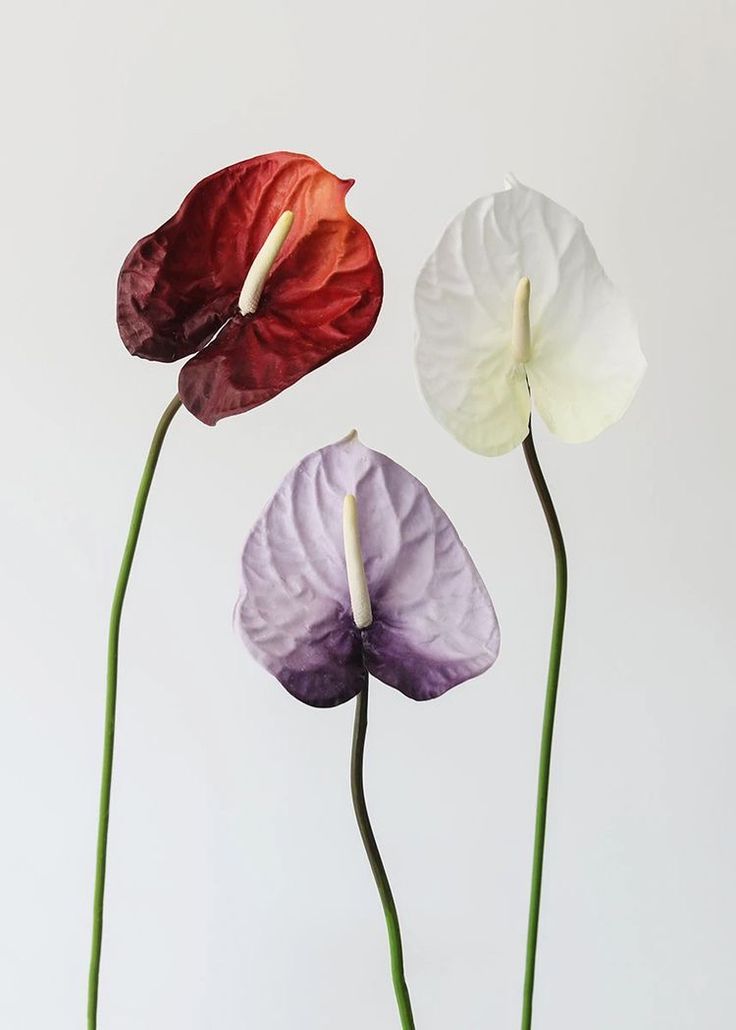
Just like every scent is different, so is the appearance of the vulva. Think of it like a flower with two sets of petals — the labia, or lips. Between these folds, a build-up of sweat, discharge, menstrual blood, and dead skin cells can occur. If not gently cleansed, this can lead to odor or infections.
Why vulva care matters
Your vulva is delicate — and it deserves gentle, thoughtful care. Harsh soaps and synthetic ingredients can upset the natural balance, leading to dryness, irritation, and even infections.
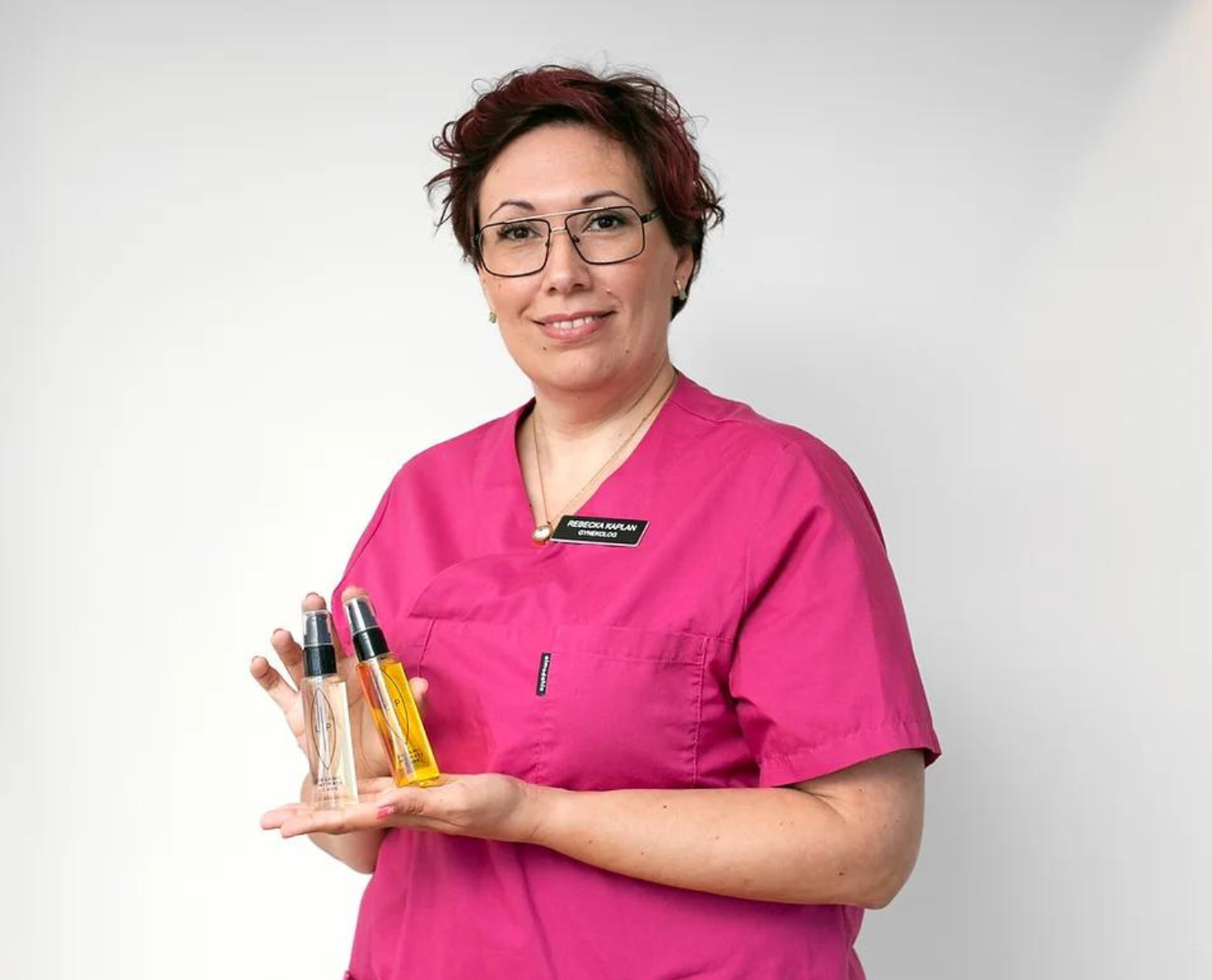
"Soap-based products are the most common cause of intimate discomfort. Even mild soaps can strip the skin’s natural barrier, making it easier for bacteria and yeast to cause irritation. For a healthier vulva, avoid anything that foams.”
Dr. Rebecka Kaplan
Dr Rebecka Kaplan emphasizes, "Proper vulva care reduces the risk of infections, bacterial imbalances, pain during intercourse, eczema, and other concerns."
Related products